
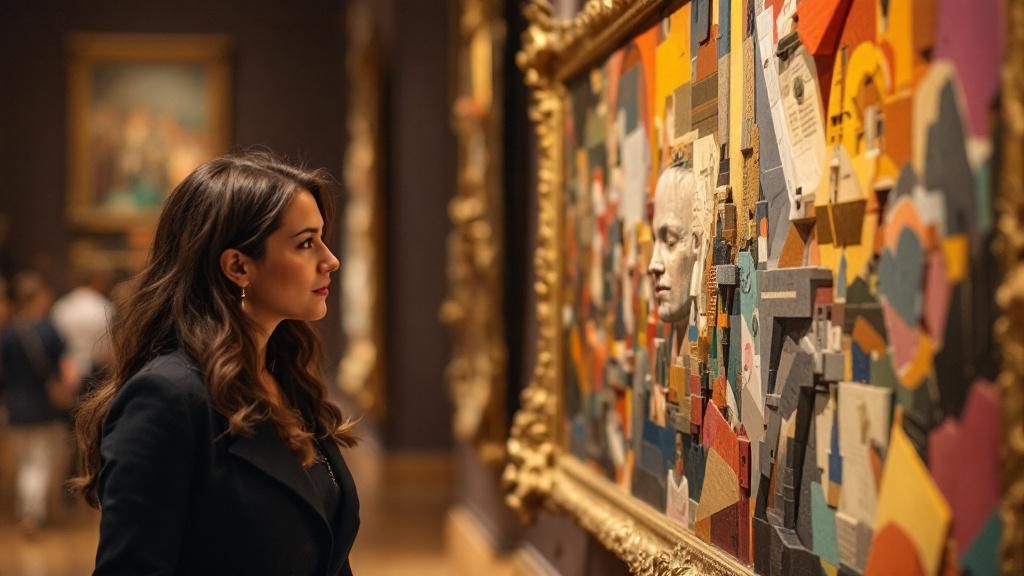
The British Museum has launched an comprehensive new project to protect modern artistic heritage for coming generations. In a major dedication to current artistic heritage protection, the museum has disclosed significant financial support for cutting-edge preservation initiatives created to tackle the particular issues posed by current creative materials and processes. This calculated allocation underscores the organisation’s understanding that modern artworks need expert attention and skill, making certain that contemporary artistic creations remain intact and open for decades to come.
Growing Conservation Expertise
The British Museum’s investment represents a pivotal step in developing internationally recognised preservation expertise precisely designed to contemporary art. By creating dedicated research centres and bringing in leading specialists in modern materials science, the institution aims to create a extensive information repository addressing the distinctive conservation demands presented by contemporary works. This growth will allow conservators to utilise innovative approaches whilst preserving strict moral principles, confirming that groundbreaking artistic approaches are safeguarded with the equivalent thorough consideration historically provided to historical artefacts and treasures.
Central to this programme is the engagement of highly skilled conservators with expertise in contemporary artistic mediums and non-traditional materials. The museum understands that modern creators frequently experiment with plastics, synthetic compounds, digital components, and mixed media that present unprecedented conservation dilemmas. By forming a multidisciplinary team of specialists, the British Museum will become a leading authority in contemporary art preservation, recruiting talented professionals from across the globe and fostering collaborative partnerships with other prestigious institutions committed to safeguarding modern cultural heritage.
Furthermore, the programme includes broad educational initiatives intended to develop the next generation of heritage specialists. Through apprenticeships, internships, and advanced educational partnerships with universities, the British Museum will confirm that contemporary art conservation expertise remains dynamic and advancing. This dedication to staff advancement ensures that future conservators possess the specialised knowledge required to tackle new conservation issues, ultimately reinforcing the organisation’s capability to protect and maintain contemporary artworks for the foreseeable future.
Strategic Initiatives and Funding Allocation
The British Museum’s financial support constitutes a innovative strategy to modern art preservation, with allocated resources focused on developing state-of-the-art infrastructure and hiring expert personnel. This strategic investment emphasises research into innovative preservation methodologies, tackling the distinctive challenges posed by modern materials such as digital media, man-made polymers, and mixed-media installations. The resource allocation system supports sustainable, long-term development of conservation competencies whilst upholding the museum’s dedication to public engagement and learning initiatives.
Collaborative Expansion
Strategic partnerships constitute the cornerstone of the British Museum’s conservation strategy, fostering information sharing with leading international institutions and research hubs. Through strategic alliances with universities and specialist conservation organisations, the museum strengthens its specialist knowledge and adoption of cutting-edge technologies. These partnerships facilitate cross-institutional training programmes, enabling conservators to develop specialist competencies in treating contemporary artworks. The collaborative framework reinforces the overall conservation community, advancing standardised best practices across institutions worldwide whilst ensuring the British Museum remains at the forefront of contemporary art preservation.
The museum has developed formal agreements with prominent research facilities and academic institutions, building strong connections for exchanging study results and methodological innovations. These partnerships extend beyond traditional museum boundaries, incorporating working relationships with artists, technologists, and materials researchers. Such interdisciplinary collaboration ensures preservation methods remain responsive to evolving artistic practices and emerging material challenges. The partnerships also enable availability of advanced tools and expertise previously unavailable within separate organisations, significantly enhancing preservation capability and capacity.
- Cooperative research endeavours with leading universities and conservation organisations
- Collaborative knowledge agreements with global museum institutions and heritage organisations
- Training programmes created in partnership with specialist conservation professionals
- Technical collaborations with digital conservation and preservation experts
- Artist engagement programmes securing current artistic perspectives guide conservation methodology
The collaborative structure demonstrates the museum’s dedication to developing enduring preservation systems serving the whole cultural sector. By nurturing working relationships, the British Museum supports developing a extensive resource framework for present-day artistic preservation. These joint initiatives generate valuable research outcomes, widely disseminated within research and professional networks, promoting conservation practices. The collaborative approach guarantees resources are used effectively whilst maximising constructive results across multiple institutions and geographic regions.
Future Impact and Sector Direction
The British Museum’s funding of modern artwork preservation creates a novel precedent for heritage organisations within the United Kingdom and beyond. By pioneering cutting-edge conservation techniques, the museum establishes itself as a key voice in tackling the shifting intricacies of current creative mediums. This commitment will undoubtedly impact how other institutions undertake their own preservation methods, fostering a partnership model to safeguarding contemporary works that surpasses traditional institutional boundaries and promotes information exchange within the heritage sector.
The programme’s cascading impact will reach across the global heritage sector, establishing standards in optimal approaches in managing modern materials. The British Museum’s knowledge and capabilities will allow smaller institutions and emerging museums to benefit from collaborative knowledge exchange and specialist advice. Furthermore, this undertaking illustrates that funding for preservation facilities yields considerable gains, well beyond simply art conservation but also in enhancing institutional reputation and securing both financial support and skilled experts committed to current art preservation.
Looking ahead, the British Museum’s financial support is set to revolutionise how society treasures and preserves present-day artistic output. By implementing comprehensive curatorial protocols now, the institution secures that those who follow will receive a thorough documentation of twenty-first century creativity. This forward-thinking approach strengthens the museum’s role as keeper of civilisation’s cultural treasures, whilst at the same time encouraging a broader conversation about our collective responsibility to safeguard the artistic legacy that characterises our contemporary era.
